


August 12, 2026
Parents know their children better than anyone. They recognize when their child is struggling, when necessary supports are missing, and when a school or other system is not responding to their needs.
But knowing something is wrong does not always make it easy to advocate for change.
Education and child-serving systems can be complicated and intimidating. Parents may not know what services their children are entitled to receive, what questions to ask, or how to ensure their concerns are taken seriously. Many are also balancing work, housing, transportation, financial pressures, and other challenges while trying to secure the right support for their children.
The Center for Children’s Advocacy’s new Parent Cabinet was created for parents who want to partner with CCA to advocate for their children, build practical skills, and ensure that families’ knowledge and experiences help shape CCA’s work. The Rotary Club of Bridgeport and Westport Rotary Club provided generous grants to support the launch of the Parent Cabinet.
Creating a Place for Parents to Learn and Be Heard
The idea for the Parent Cabinet grew from years of conversations with families seeking help from CCA’s Bridgeport office.
As CCA’s Bridgeport Office Manager, Janet Ortiz is often the first person families speak with when they contact the organization. She hears from parents who are frustrated, overwhelmed, and unsure how to navigate education and other child-serving systems. Many have spent months or years trying to secure services for their children and feel that their concerns have not been heard.
Janet saw the need for a space where parents could do more than discuss those frustrations. They could learn their rights, build practical advocacy skills, connect with other families, and help identify broader issues affecting children across the community.
“If parents’ voices could be heard, and if they could come together not only to vent but also to learn,” Janet explained, they could become stronger advocates for their own children and for other families.
At its core, the Parent Cabinet is about what Janet calls “parents helping parents.”
An Encouraging First Meeting
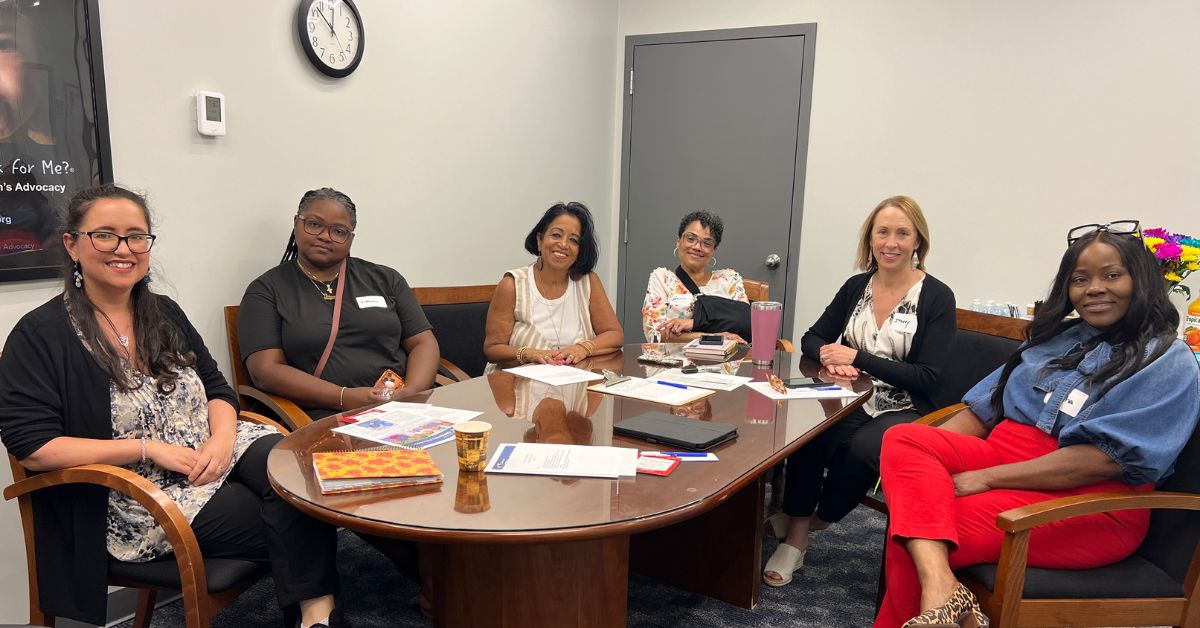
The first Parent Cabinet meeting brought together parents eager to learn, share their experiences, and become more effective advocates for their children.
CCA staff were encouraged by the energy in the room and by parents’ enthusiasm for continuing to meet each month. Participants are looking forward to receiving training from CCA staff and attorneys, learning more about their children’s rights, and sharing their perspectives on the challenges families face.
The meeting also marked the beginning of a new partnership. CCA staff will work hand in hand with Parent Cabinet members to identify recurring issues, better understand where systems are falling short, and advocate for solutions that respond to families’ real experiences.
Building Practical Advocacy Skills
Parent Cabinet members will receive support and legal-rights training from CCA staff and attorneys on topics such as special education rights, the Planning and Placement Team process, educational advocacy, and preparing for important school meetings. Members will also have access to legal trainings on other systems affecting their children including behavioral health, child welfare or juvenile justice.
The goal is to make complicated systems more understandable and give parents tools they can use immediately. That might mean helping a parent:
- Understand what services and supports their child may be entitled to receive
- Gather records and other documentation
- Organize their concerns before a school meeting
- Identify the primary issue they want addressed
- Ask informed questions about services, supports, or placement
- Communicate their child’s needs clearly and effectively
The Cabinet is designed to build confidence—not just for one meeting, but for future interactions with schools, agencies, service providers, and other systems. The skills parents develop can also support them at home, in the workplace, and throughout their communities.
Janet describes this approach as empowerment rather than pity.
“Pity doesn’t do anything,” she said. “Empowering does.”
Research reinforces the value of this approach. Family engagement is associated with stronger attendance, academic performance, graduation rates, and student behavior. Studies of special education advocacy programs have also found that training can significantly increase parents’ knowledge and advocacy skills, helping families move from feeling overwhelmed by complicated systems to participating more confidently in decisions affecting their children.
Learning From One Another
The Parent Cabinet also creates opportunities for families to share knowledge and support one another.
Some participants may already have experience navigating special education systems, advocating during school meetings, or completing parent leadership training. They can share what they have learned, help another parent prepare, or simply offer reassurance that a family does not have to face the process alone.
“Sometimes, just having somebody with you” can make a meaningful difference, Janet said.
For parents whose children have struggled academically, behaviorally, developmentally, or socially, that sense of connection can be especially important. The Cabinet offers a community of people who understand similar challenges and can share strategies for moving forward.
Everyone brings something valuable to the group. Parents can learn from CCA staff and attorneys, CCA can learn from parents, and families can learn from one another.
Supporting the Whole Family
Although the Parent Cabinet will begin with a strong focus on education, CCA recognizes that the challenges families face are interconnected.
A parent worried about housing, utility bills, employment, transportation, or another urgent concern may have little time or energy left to prepare for an upcoming school meeting. Through Parent Cabinet conversations, CCA can help identify those barriers and connect families with trusted community organizations that may be able to provide support.
The Cabinet is not intended to replace individual legal representation or community services. Instead, it creates another point of connection—helping parents understand their options, find resources, and determine their next steps.
It also gives CCA a fuller understanding of what families need. By listening to parents and documenting the issues they raise, CCA can identify patterns that may require additional training, legal advocacy, community partnerships, or policy reform.
Parents are therefore not simply participants receiving information. They are partners whose experiences can inform CCA’s broader work on behalf of children and families.
Growing Parent Leadership
The long-term vision for the Parent Cabinet extends beyond monthly meetings.
CCA hopes the group will grow into a strong network of parent leaders who can use what they learn to support other families. The vision follows a “train the trainer” model: parents gain knowledge, apply it in their own lives, and then share it with others.
Some participants may pursue more advanced parent leadership training. Others may become advocates, mentors, or community leaders. Success will be visible when parents feel less isolated and overwhelmed, more confident entering important meetings, and better prepared to advocate for both their own children and other families.
The goal is not to tell parents what their families need. It is to give them information, tools, and support while recognizing the expertise they already bring.
Valuing Parents’ Time and Expertise
Parent Cabinet participants receive stipends in recognition of the time, knowledge, and lived experience they contribute to the program.
Meetings are held at CCA’s Bridgeport office at 350 Fairfield Avenue, Suite 403.
CCA is grateful to the Rotary Club of Bridgeport and Westport Rotary Club for investing in a program that places parents at the center of advocacy for children.
The Parent Cabinet reflects a simple but powerful belief: families should not have to navigate complicated systems alone.
When parents have access to information, legal knowledge, community support, and one another, they are better positioned to protect their children’s rights and push for meaningful change.
Parents interested in learning more about the CCA Parent Cabinet can contact Program Coordinator Janet Ortiz at 203-335-0719, ext. 201.
View All Center Headlines


